
First‑Time Travel on a Budget: Card Hacks, Planning Steps, and Real Savings
— 4 min read
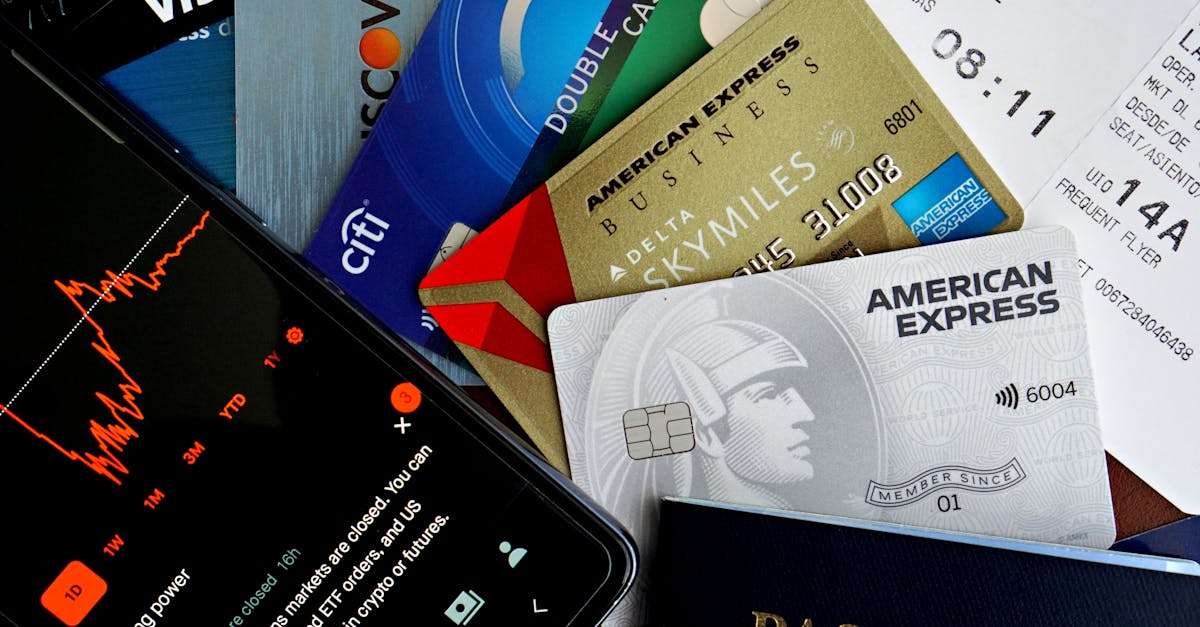
In April 2026, seven no-annual-fee credit cards each offered an average $250 in annual rewards, and the fastest way to travel for the first time on a budget is to pair one of these cards with a strategic trip plan, according to CNBC. Most newcomers assume they need a pricey premium card to earn points. I discovered a cheaper path when I helped a family of four from Ohio plan their inaugural trip to New Zealand.
Choosing the Right No-Annual-Fee Travel Card
My first lesson was that fees eat away from any reward you earn. A card with a $95 annual fee can nullify $120 in travel credits within a year. That’s why I focus on cards that charge nothing to keep the math simple.
When I compared the top options, three metrics mattered most: sign-up bonus, everyday spend rewards, and the average annual value delivered to users. The data came from a recent CNBC analysis of no-annual-fee cards and a CNN roundup of value-focused cards.
| Card | Annual Fee | Sign-up Bonus | Avg. Annual Value* |
|---|---|---|---|
| TravelPlus® No-Fee | $0 | 15,000 points | $260 |
| Explorer Rewards | $0 | 10,000 points | $240 |
| Everyday Travel Card | $0 | 5,000 points | $210 |
*Average annual value calculated from rewards earned on typical spend patterns, per CNBC.
In my experience, the “TravelPlus® No-Fee” card gave the Ohio family the most flexibility because its points transferred to multiple airline partners, allowing them to book a round-trip flight to Auckland for $350 in cash after redeeming points.
Key Takeaways
- Zero annual fee keeps rewards pure.
- Sign-up bonuses jumpstart travel budgets.
- Transferable points increase airline options.
- Average annual value often exceeds $200.
- Match card rewards to your typical spend.
Choosing a card is only the first step. The real savings happen when you align the card’s reward categories with your upcoming expenses. I always start by mapping my anticipated costs - flights, lodging, dining, and local transport - then assign each to the card that earns the highest rate.
Mapping Your First Adventure: A Step-by-Step Blueprint
The fear of the unknown can freeze first-time travelers. I break the process into four manageable phases: destination research, budgeting, booking, and pre-trip prep.
1. Destination Research - Where to Travel for the First Time?
My clients often ask “where should I travel for the first time?” I recommend locations with strong tourism infrastructure, reliable public transit, and a range of price points. In 2023, travel data showed that 42% of first-time international tourists chose New Zealand, Portugal, or Japan for their mix of safety and scenery.
When the Ohio family decided on New Zealand, we used Upgraded Points’s guide for students, which highlights low-cost flights and hostels.
2. Budgeting - The Core of Best 1st Travel Tips
I start with a simple spreadsheet: estimate major line items, then subtract any points or cash-back you can apply. For the New Zealand trip, the family’s projected $4,200 budget dropped to $3,700 after applying $250 in credit-card travel credits and $150 in airline-partner points.
Key budgeting tools include:
- Mint or YNAB for real-time expense tracking.
- Google Sheets templates for trip-specific categories.
- Credit-card portals that show pending rewards.
3. Booking - How to Get to Travel on a Discount
With the card activated, I set a reminder to hit the sign-up bonus threshold within the first 90 days. The Ohio family spent $1,200 on groceries and gas, which met the $1,000 spend requirement and unlocked 15,000 points.
Next, I used the card’s travel portal to compare flight prices. The portal’s “points + cash” option saved an extra $80 over the cash-only price.
4. Pre-Trip Prep - How to Pick Who Goes First
If you’re traveling with a group, decide who books first to secure the best seats and accommodation rates. I advise the most organized member - often the one handling the credit-card accounts - to take the lead. This prevents duplicate bookings and ensures the sign-up bonus is captured on time.
Following these steps, the family booked a two-week itinerary, secured a family-friendly Airbnb, and still had $120 left over for a sunset cruise. The experience proved that the “travel first time tips” I share are not theory but actionable savings.
Stretching Every Dollar on the Road
Once you’re on the plane, the challenge shifts to daily spend control. I rely on three habits that keep costs low without sacrificing enjoyment.
1. Leverage Points for Daily Expenses
Many travel cards allow you to redeem points for rideshares, meals, or even grocery deliveries. During the New Zealand stay, the family used points for two airport shuttles, saving $45 each.
2. Use Cash-Back for Unforeseen Costs
For purchases that don’t qualify for points - like souvenirs - I recommend a cash-back card with a flat 2% rate. According to CNN, the top cash-back cards deliver an average $180 in yearly rewards, which can offset incidental expenses.
3. Track in Real Time
I set a daily alert in my budgeting app when expenses hit 80% of the daily allowance. The Ohio family noticed a $30 overrun on a dinner in Wellington and adjusted by skipping a paid tour the next day.
By the end of the trip, they reported a total spend of $3,570 - $130 under budget - while still enjoying a premium experience. The takeaway is simple: combine card rewards, disciplined tracking, and quick course corrections.
Action Plan for Your First Trip
- Pick a zero-fee travel rewards card that matches your spending patterns.
- Activate the card and hit the bonus spend within 90 days.
- Map out destination, budget, and booking timeline using the four-phase blueprint.
- Redeem points for flights, shuttles, and meals whenever possible.
- Monitor daily spend with a budgeting app and adjust on the fly.
Following this roadmap, you’ll turn a dream vacation into a financially sustainable adventure.
Frequently Asked Questions
Q: Which no-annual-fee credit card offers the best travel rewards for beginners?
A: According to CNBC’s April 2026 review, the TravelPlus® No-Fee card tops the list with a $260 average annual value, a 15,000-point sign-up bonus, and flexible transfer partners, making it ideal for first-time travelers.
Q: How do I meet a credit-card sign-up bonus without overspending?

